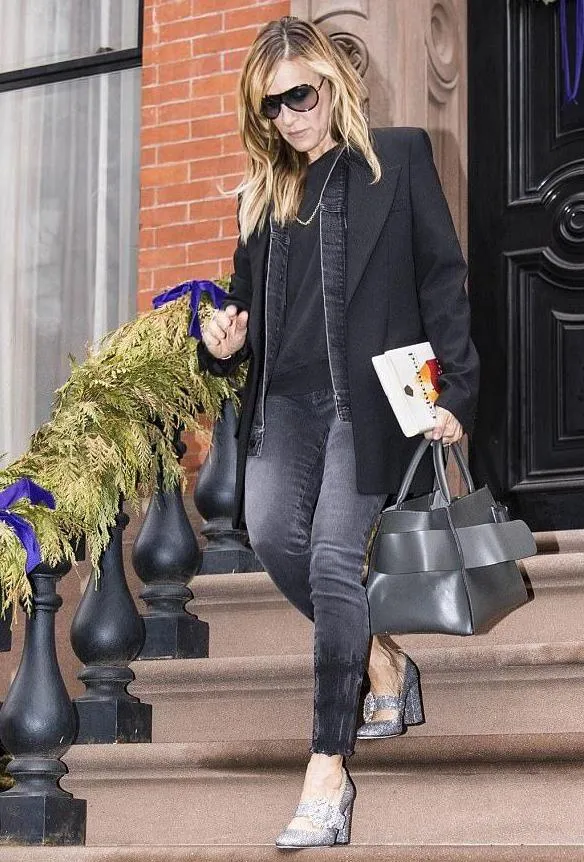
The Honest Workhorse: Why Your Most-Used Bag Deserves the Biggest Budget
There is a quiet ritual that plays out in hallways across Britain every morning. A bag is lifted from its hook, or retrieved from wherever it was set down the night before, and carried out into the drizzle, onto the bus, into the office. Meanwhile, in a wardrobe upstairs — or in a dust bag on a shelf — sits a finer thing. A beautiful thing. A thing that comes out perhaps six times a year.
We would like to make an unfashionable argument: that the second bag is overvalued, and the first one criminally so.
The Inverted Pyramid of Spending
Ask most buyers which bag received the larger share of their budget and they will point, a little sheepishly, to the occasion piece. The clutch for weddings. The polished number for dinners. It is an entirely understandable instinct. These are the bags we are photographed with; they are the ones that justify their existence in pictures.
But consider what the numbers actually say. The bag used 300 days a year at £200 has a cost-per-wear of roughly 67p within its first twelve months. The showpiece worn six times at £600 costs £100 per outing before it has aged a single season. If longevity is the measure of a purchase — and at Forever Bag, we believe it is — then the everyday bag is not the modest choice. It is the serious one.
Where the Workhorse Actually Lives
Identifying your true workhorse requires honesty rather than aspiration. Look not at what you intend to carry, but at what you demonstrably do. For most British lives, the answer is unglamorous: the bag that survives the commute, holds the umbrella, swallows the shopping on the way home, and withstands a platform at Piccadilly at 6pm in February.
There are three reliable indicators:
- Frequency. If it leaves the house more than four days a week, it is a workhorse, whatever it looks like.
- Versatility. The bag that works with a coat, a blazer and a pair of jeans is doing more labour than any single-context piece.
- Resilience under regret. Note which bag you instinctively grab when the weather is foul. That instinct is telling you something about trust.
Buying for the Every Day, Not the Best Day
Once you have identified the honest workhorse, invest accordingly. This means prioritising construction over ornament: full-grain leather that will develop character rather than crack, stitching that has been reinforced at the stress points where straps meet body, hardware in solid brass or steel that will not flake after a winter of wet gloves.
It means choosing a size dictated by your actual days — the laptop, the water bottle, the packed lunch — rather than an imagined life. And it means accepting that a workhorse should be handsome rather than precious. A bag that cannot be set down on a pub floor without anxiety is not an everyday bag, whatever the label claims.
Permission to Love the Right One
There is a curious guilt attached to favouring a plain, dependable bag over a beautiful one. We would like to dissolve it. The bag by the front door, scuffed at the corners and softened by a thousand mornings, is not the lesser purchase. It is the one doing the work, quietly, every day, in all weathers.
Buy accordingly. Buy it once. And let the showpiece wait its turn — it will keep.