Built to Outlast the Drizzle: How to Spot a Handbag That Will Serve You for Decades

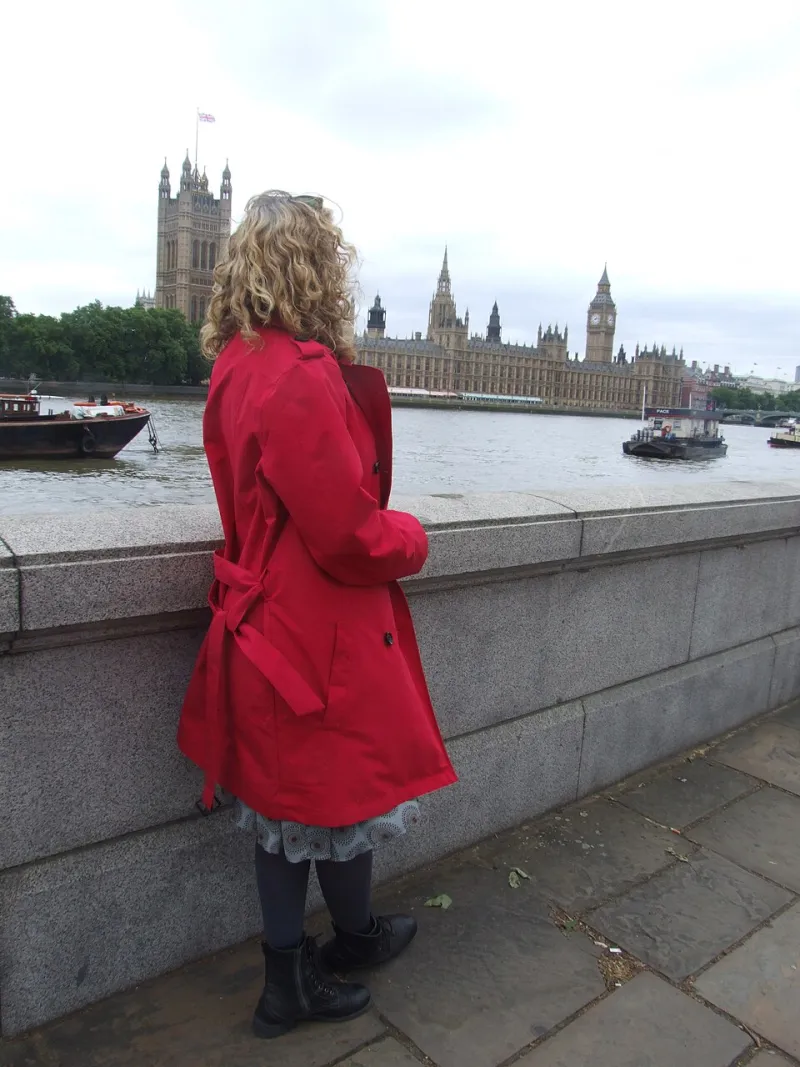
Photo: Giles Laurent, CC BY-SA 4.0, via Wikimedia Commons
Ask anyone who repairs handbags for a living which bags end up on their workbench, and a pattern emerges quickly. It is rarely the oldest pieces that cause the most trouble. It is the mid-priced, glue-heavy bags of the last fifteen years — peeling linings, delaminating straps, zips that fail at the first frost.
The bags that do endure, restorers tell us, share a handful of traits. None of them are secret. All of them can be checked in the shop, before you spend a penny.
Start With the Leather, Not the Logo
Full-grain and top-grain leathers, particularly vegetable-tanned hides, are the backbone of longevity. They are denser, more breathable and far more forgiving of British weather than heavily corrected or coated leathers, which tend to crack once the surface finish fails.
For our climate specifically, a slightly waxed or oiled leather is a sensible choice. It sheds light rain, and when it does get marked, the patina simply deepens. A restorer we spoke to in Northampton put it neatly: 'A smooth coated leather shows every scar. A waxed hide absorbs them and looks better for it.'
The Stitching Tells the Truth
Turn the bag over. Look inside the flap. Stitching is where manufacturers economise first and where buyers look last.
- Stitches per inch: A higher stitch count generally signals better construction. Uneven, gappy stitching is a warning sign.
- Thread material: Waxed or heavy-duty thread resists rot; fine cotton thread in a bag meant for rain is a false economy.
- Load points: Where the strap meets the body, look for reinforcement — a second layer of leather, rivets, or box stitching. This is where most bags die.
Hardware That Ages With You
Solid brass or stainless steel hardware will patina gracefully; plated alloy hardware will flake. Open and close every zip, clasp and magnet a dozen times. If anything feels gritty or loose on day one, imagine it in year ten.
Design: The Quiet Case for Restraint
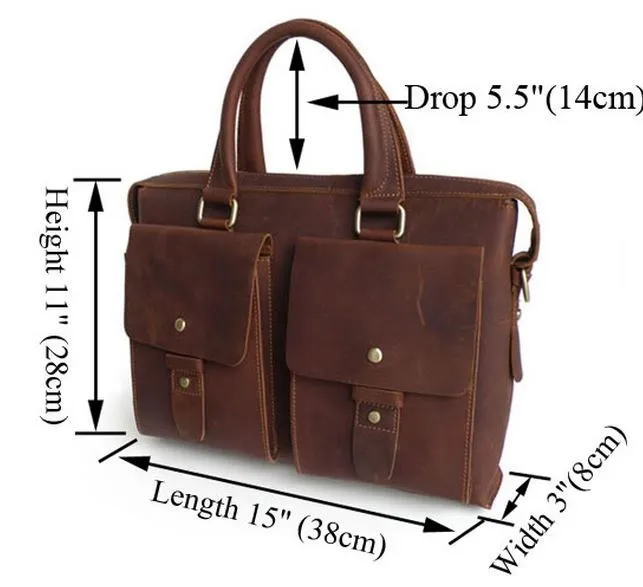
Resellers are unanimous on this point: the bags that hold value and stay in rotation are the quiet ones. Structured top-handles, well-proportioned totes, and simple crossbodies in brown, black or tan outlast every trend cycle. A bag too identifiably 'of a season' is difficult to give away within three years.
Proportion matters as much as style. A bag that fits an A4 folder, a water bottle and a folding umbrella will serve a working life; one sized for a phone and a lipstick will not, however beautiful.
The Forever Bag Longevity Checklist
Before you buy, run through this list:
- Is the leather full-grain or top-grain, and is the tanning method disclosed?
- Is the construction stitched — not glued — at the straps and seams?
- Does the hardware feel solid, with smooth action and no visible plating?
- Is there a lining, and is it sewn in rather than bonded?
- Can the bag be repaired in principle — are straps replaceable, seams restitchable?
- Does the style rely on a trend, or on proportion and restraint?
- Would you want to carry this in ten years, or only this year?
Six yeses and you are looking at a companion for decades. Fewer, and you may be buying a rental in disguise.
Buy Once, Carry Always
There is a quiet satisfaction in a bag that records your life in its patina — the conference in Manchester, the wedding in Kent, the thousand rainy Tuesdays. Longevity is not an accident of price. It is a set of decisions, visible to anyone willing to look closely. Look closely.