Twelve Months, One Bag: A Year in the Life of an Investment Piece
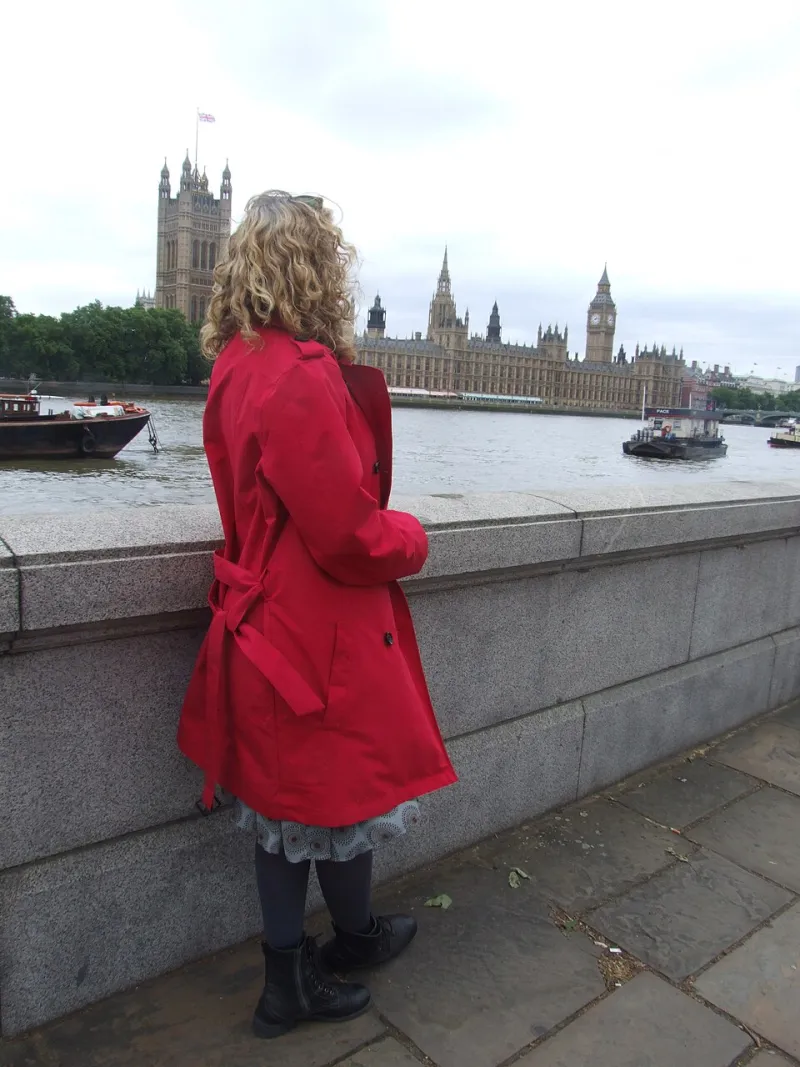
Photo: AboutLondon, CC BY 2.0, via Wikimedia Commons
There is a particular kind of confidence that comes from carrying a bag you know will work, whatever the sky decides to do. In Britain, that is no small claim. Our calendar lurches from heatwaves to horizontal rain, from garden parties to gale-force January commutes, and a handbag must keep pace with all of it.
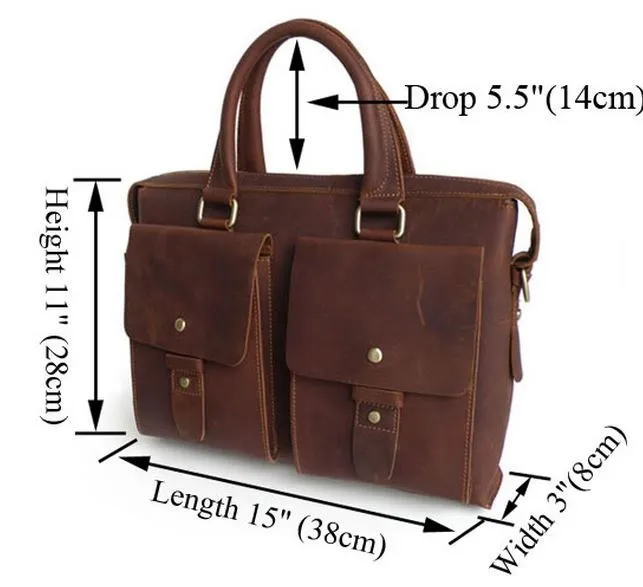
So we set ourselves a challenge: take one structured leather bag — a mid-brown, top-handle tote with a detachable strap — and document how it carries us through twelve months of British life. The conclusion, perhaps unsurprisingly, is that a truly considered bag does not merely survive a year. It improves with it.
Spring: Light Layers and Longer Days
April in Britain is a study in contradictions: sunshine one hour, a sharp shower the next. In spring, the tote comes into its own worn crossbody, hands free for an umbrella and a coffee. Against a trench coat and white trainers, warm brown leather reads effortlessly seasonal — grounded rather than heavy.
A silk scarf tied through the handle is the simplest of spring updates. It protects the leather from rain spots, adds a flash of colour against a neutral outfit, and costs nothing but a moment's thought.
Summer: Weddings, Weekends and the Weather Lottery
The British summer wedding is a logistical triumph, and the bag you carry must be more than decorative. A structured top-handle piece holds its shape on a crowded table at a marquee in the Cotswolds, and the removable strap means it can convert to a neat handheld for photographs.
For the school-holiday escape to Cornwall or the Suffolk coast, the same bag swallows sun cream, a paperback and a windbreaker without complaint. This is where construction matters most: a bag with a reinforced base and quality stitching takes sand, salt air and over-packing in its stride. A glued, seasonal alternative would be showing its seams by August.
Autumn: The Season of Substantial Dressing
September brings a collective return to seriousness — new stationery energy, darker palettes, a desire for things with weight. Warm brown leather is arguably at its most photogenic here, set against rust knits, charcoal wool and the first appearance of the winter coat.
Worn by its top handle, tucked under the arm against a belted coat, the bag acquires a quiet authority. It is the accessory equivalent of a well-cut pair of trousers: unremarkable in isolation, indispensable in context.
Winter: Christmas Markets and the Commute
December is the ultimate test. Between drizzle, central heating and the crush of a Christmas market in Bath or Edinburgh, a handbag endures more in four weeks than in the previous four months.
Here, the crossbody strap earns its keep again — secure, hands-free, and safely tucked under a coat at the market stall. A small care ritual helps too: wipe down the leather after wet evenings, let it dry naturally away from the radiator, and condition it once the festive season has passed. Come January, the bag emerges not diminished but burnished, its patina recording the year it has carried.
The Case Against the Seasonal Fling
The temptation, every January sale and summer drop, is to buy something new for each season. But the maths rarely favours the fling. Four modest seasonal bags, replaced over a decade, cost more than one exemplary piece — and deliver a fraction of the pleasure.
Versatility, in the end, is not about owning less for its own sake. It is about owning something that rises to every occasion the British calendar can invent. One bag, twelve months, endless weather: we can think of few better investments.