Counting the Cost: The Quiet Arithmetic Behind a Bag Worth Buying

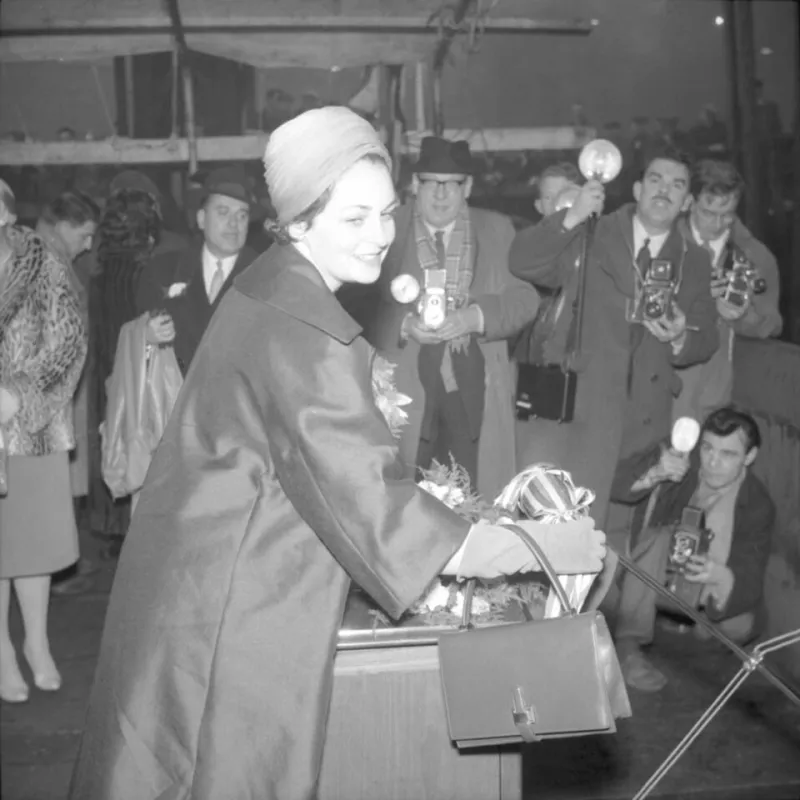
Photo: Unknown, CC BY 4.0, via Wikimedia Commons
There is a moment every bag lover knows well. You are standing in a shop — perhaps on London's Oxford Street, perhaps in a quiet boutique in the Lanes of Brighton — holding a handbag you cannot stop thinking about. The price tag is doing one of two things: reassuring you, or quietly alarming you.
At Forever Bag, we believe that moment deserves more than instinct. It deserves arithmetic.
What Cost Per Wear Actually Means
Cost per wear is a deceptively simple calculation: the price of an item divided by the number of times you wear it. A £1,500 bag carried four times a week for five years works out at roughly 58 pence per outing — considerably less than the flat white you bought on the way to the office. A £90 bag worn twice before collapsing at the zip, by contrast, costs you £45 per wear. Suddenly the expensive option looks like the frugal one.
This is not an argument for spending more. It is an argument for spending deliberately.
Running the Numbers: Three British Price Points
Consider three scenarios drawn from the realities of UK shopping:
The high street tote — £75. Bought in January, beloved by February, tired by summer. Worn 60 times before the lining gives way, it costs £1.25 per wear. Perfectly respectable — until you buy a replacement, and then another. Over five years, a rotation of such bags might total £375, all of it destined for landfill.
The mid-range workhorse — £350. A leather shoulder bag from a respected contemporary label, cared for properly, might serve you faithfully for four years. Worn three times a week across 200 working weeks, that is roughly 58 pence per wear — and it may yet be resold.
The heritage classic — £1,800. A structured bag from one of Britain's or France's long-established houses, constructed from full-grain leather with hardware that can be replaced rather than discarded. Worn four times a week for fifteen years, it falls below 60 pence per wear — and unlike the others, its value may not reach zero. The UK resale market has demonstrated, repeatedly, that certain classics hold or even appreciate.
The Worksheet: Six Questions Before You Commit
We have prepared a simple worksheet for readers weighing a purchase. Before buying, work through the following:
- Honest frequency. Not how often you hope to carry it — how often, realistically, given your actual wardrobe and week.
- The five-year figure. Multiply price by projected replacements. A cheap bag bought four times is not a cheap bag.
- Repairability. Can the straps, lining and hardware be serviced in the UK? A bag that cannot be repaired is a bag with a fixed lifespan.
- Resale reality. Search completed listings for the same model. Some bags retain 60–70 per cent of their value; most retain none.
- The wardrobe test. Name five outfits and five occasions it must serve. If you cannot, it is a fantasy, not an investment.
- The per-wear ceiling. Decide in advance the maximum cost per wear you will accept — many of our readers settle on £1 — and let the maths make the decision for you.
Why 'Forever' Is a Financial Strategy
The language of permanence is often dismissed as romantic. We would argue the opposite: choosing a bag built to last is one of the most clear-eyed financial decisions in fashion. The British climate, the daily commute, the overhead locker on the 06:40 to Edinburgh — these punish flimsy construction without mercy. A well-made bag absorbs all of it and improves with age, developing the patina that no new purchase can replicate.
Cost per wear will not tell you whether a bag is beautiful. Only your eye can do that. But it will tell you, with uncomfortable clarity, whether the beautiful thing in your hands is a companion for the next decade or merely the next season.
Print the worksheet. Do the sums. Your future self — the one still carrying the same bag, years from now, looking better than ever — will thank you.