Before It Was New: How the UK Resale Market Became the Savviest Route to a Lifetime Bag
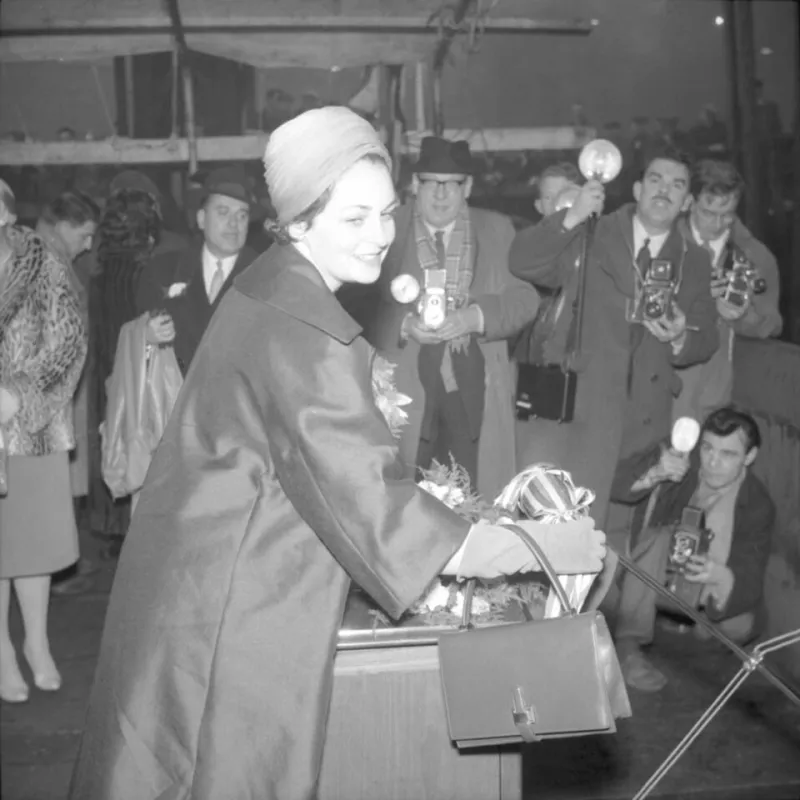
Photo: Tyne & Wear Archives & Museums, No restrictions, via Wikimedia Commons
There is a particular pleasure in unboxing a handbag that has already been loved. The leather has softened in exactly the right places. The hardware carries a faint patina that no factory can manufacture. And the price, more often than not, is a fraction of what the same piece would cost new.
For years, the British resale market was the preserve of collectors and bargain hunters rifling through charity shop windows. Today, it is a sophisticated, professionally run ecosystem — and for anyone seeking a bag built to last a lifetime, it may well be the intelligent place to start.
A Market That Grew Up
The UK's appetite for pre-loved luxury has expanded dramatically over the past decade. Resale platforms report year-on-year growth that comfortably outpaces traditional retail, driven partly by economic pragmatism and partly by a cultural shift: owning something second-hand no longer carries stigma. Among younger buyers, it is actively a point of pride.
'People used to apologise for buying pre-owned,' says a London-based reseller who specialises in discontinued leather goods. 'Now they ask about the previous owner. They want the story.'
That story matters for another reason. Many of the finest bags on the resale market were made in eras when construction standards were, frankly, different. Thicker hides, brass rather than plated hardware, linings stitched to be repaired rather than replaced. A well-chosen vintage piece can offer build quality that is difficult to find at any price today.
What Resellers Look For
We asked three UK dealers what separates a sound pre-loved purchase from an expensive disappointment.
The stitching test. Run your finger along every seam. Even, tight stitching in a consistent thread suggests careful manufacture and gentle use. Uneven or loose stitches near stress points — handles, straps, corners — signal a piece that has worked hard and may need professional attention.
The smell. Genuine, well-tanned leather has a rich, faintly sweet aroma. A chemical or musty smell can indicate improper storage, water damage, or a synthetic pretending to be something it is not.
The hardware. Check zips, clasps and feet for smooth operation. Tarnish is cosmetic and often reversible; seized zips and cracked plating are not.
The structure. Stand the bag on a flat surface. A quality bag holds its shape even when empty. Sagging that doesn't recover suggests collapsed internal boards — common in cheaper construction and rarely worth repairing.
Authentication Without Paranoia
Counterfeits are a reality of the resale world, but a few habits will protect most buyers.
Buy from platforms or shops that offer their own authentication, and ask what process they use. Reputable UK dealers will happily discuss provenance, provide detailed photographs of serial stamps, date codes and interior markings, and accept returns. Serial numbers alone are not proof — fakes copy them — but inconsistencies in font, stamping depth or placement are reliable warning signs.
If a deal looks too good, it usually is. A current-season bag at 70% off retail deserves scrutiny; a twenty-year-old piece at a sensible discount is simply the market working as it should.
Where to Shop: London to Glasgow
London remains the epicentre. Vintage dealers around Notting Hill and the antique shops of Alfies Antiques Market in Marylebone hold genuine treasures, while specialist consignment boutiques in Mayfair and Shoreditch cater to those wanting authenticated, condition-graded pieces.
Manchester and Leeds have thriving independent vintage scenes, with several shops focusing on Nineties and Noughties designer leather at accessible prices.
Glasgow and Edinburgh punch above their weight. Scotland's consignment shops and vintage fairs regularly surface excellent pieces, often at prices noticeably gentler than the capital's.
Online, the established UK-friendly resale platforms — Vestiaire Collective, Rebag-equivalents and specialist vintage dealers on Farfetch Pre-Owned — offer authentication services and buyer protection. For vintage hunting, eBay remains surprisingly viable if you shop sellers with long histories and detailed photographs.
The Condition Question
Pre-loved bags are typically graded: pristine, excellent, good, fair. Don't dismiss 'good'. Scuffs on corners, light handle darkening and small scratches are the honest marks of use — and they will continue anyway once the bag is yours.
Budget for restoration where needed. A professional clean and condition from a UK leather specialist typically runs £40–£120, and can transform a tired bag. Handle replacement or relining costs more but is often worthwhile on genuinely fine pieces. A bag worth owning for thirty years justifies a £100 refresh.
The Forever Argument
Buying pre-loved is not merely economical — it is philosophically aligned with the idea of a forever bag. Every second-hand purchase extends the life of an object that was built to endure, keeps it out of landfill, and denies the cycle of disposable fashion a customer.
The best bag you will ever own may not be waiting in a boutique window. It may be sitting in a Glasgow consignment shop, or listed quietly online, carrying twenty years of someone else's life and ready — with a little care — to carry thirty more of yours.